
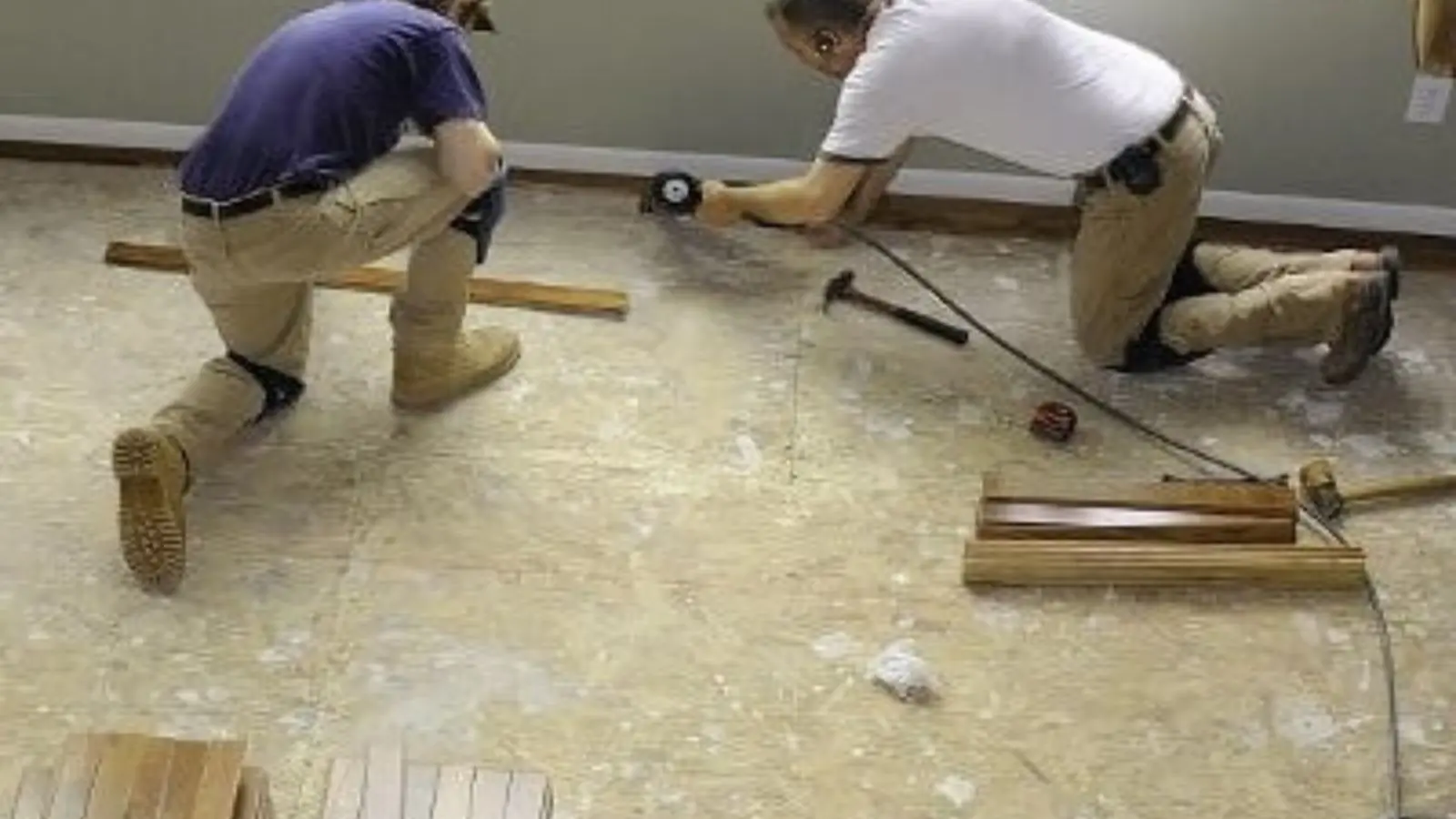
Water damage repair is the rebuild stage. It replaces drywall, insulation, flooring, paint, cabinets and trim after the structure has been dried and the source of the leak has been fixed. If water is still moving or walls still read wet, that is water mitigation work, and repair waits for it.
This page covers how crews in Temple City, CA decide between patching and replacing, what ceiling, wall and hardwood repairs involve, and how to plan the work. Repair is not an emergency the way a flood is, so you have time to compare scopes. The order of steps still matters.
Repair Starts With a Dry Check and a Fixed Source
Two things have to be true before a wall is closed. The structure has to read dry on a moisture meter, and whatever caused the water has to be fixed. Closing a wall over damp framing is how stains, odors and swollen trim return a few weeks later.
The dry check compares readings on the repaired area against unaffected materials of the same type. We can use the daily logs from the drying stage if mitigation was done, or take fresh readings with pin and pinless meters and a thermal imaging camera if it was not. Written readings also help if you file a claim.
What Gets Rebuilt, and in What Order
Rebuild work follows the way a house is built, from the inside of the wall outward. Rushing the order is how paint ends up on drywall that is still damp.
- Framing and subfloor checked, and any damaged pieces replaced or sistered.
- Insulation replaced where it was removed or soaked.
- Drywall hung, taped, mudded, sanded and textured to match.
- Primer, with stain-blocking primer over old water marks, then paint.
- Flooring installed, or hardwood refinished once it is stable.
- Cabinet bases, baseboards and trim reinstalled or replaced.
- Final walk-through and a check that nothing was left unfinished.
Trades overlap less than people expect, because mud and primer need time to cure. A multi-room job usually runs for days or weeks of scheduling, not hours.
Water in the house right now? Our dispatch line is open 24/7.
☎ Call (626) 879-0276Ceiling and Wall Water Damage Repair
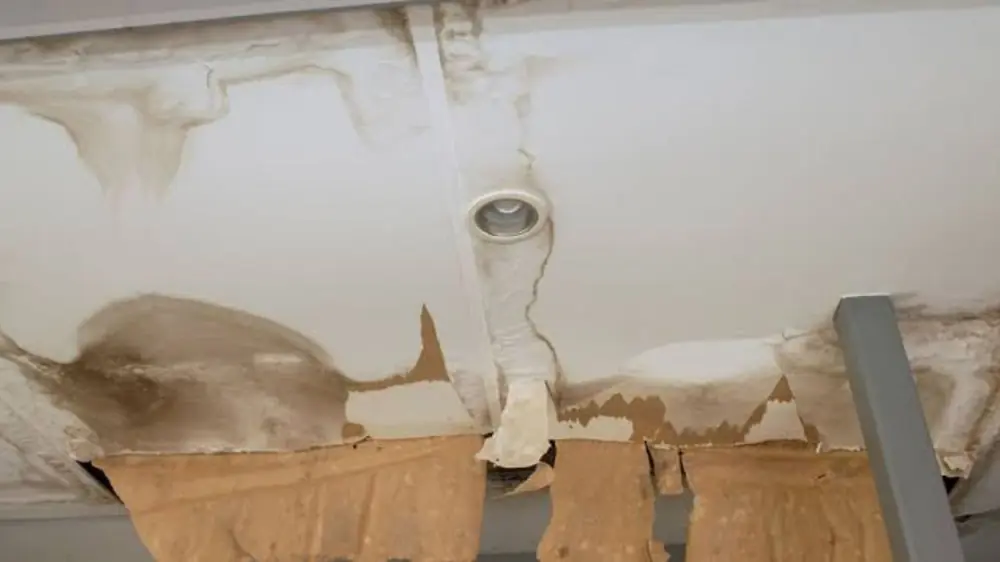
A brown stain tells you water came through, but not whether the ceiling is still wet. Press gently. If the drywall feels soft, sags or bulges, it has absorbed water, and both its paper face and gypsum core have weakened.
Small, firm, dry stains can often be sealed and painted. Sagging or soft board is cut out, because weakened drywall will not hold a patch and can hold moisture against framing and insulation. The cut is squared to the nearest framing so new board screws into solid wood.
Before anything closes up, a moisture meter confirms the ceiling and cavity are dry, and wet insulation is replaced. Joints are taped and mudded, and texture is matched with test sprays or hand work until the patch blends under real light. Stain-blocking primer goes on before paint, because ordinary paint lets old water marks bleed through.
Skipping the dry check is the usual reason stains return. If a stain comes back, the question is the source or leftover moisture, not the paint.
Before anything is closed up, ask to see the drying readings. Professional drying work is described by the ANSI/IICRC S500 standard, and a company that works to it can show you that the wood, drywall and framing read dry, not just that they look dry.
Hardwood Floor Cupping and Drying
Cupping is when the edges of floorboards rise higher than the centers, because the underside of the board took on more moisture than the top. It often shows up days after a leak, or when a slow plumbing problem has been wetting the floor from below.
Many cupped floors flatten once moisture drops back to normal, and that can take weeks, not days. Some stay distorted and need sanding, and some, especially after long exposure or subfloor damage, need replacement. Sanding too early traps the problem, because boards sanded flat while wet shrink as they dry and leave gaps or reverse crowning.
A meter reading on the boards and the subfloor tells you when it is safe to judge. Drying a floor in place with mats is part of emergency water removal and drying work, and repair starts after that.

Roof Leaks and Condensation Lines: Fix the Source First
A ceiling stain does not always mean a roof problem. Common sources are a roof leak that follows rafters before it drips, a plumbing line above the ceiling, and an HVAC condensate line or drain pan that clogged and overflowed. Condensate drains are easy to forget until they back up.
Repair cannot hold until the source is fixed. We do not do roofing or plumbing repair, so a roofer, plumber or HVAC technician has to fix the cause first. A stain that appears near an air handler often points to condensate, and one that shows up only after rain often points to the roof.
Water from a clogged condensate line is not always clean, so the ceiling may need removal and sanitizing before it is rebuilt. That step is described under water damage cleanup.
Repair or Replace: A Decision Table by Material
Moisture readings, the water category and how long materials stayed wet decide each call. This table shows how the decision usually falls.
| Material | Often repaired or saved | Usually replaced |
|---|---|---|
| Drywall | Small, firm, dry stains sealed and primed | Sagging, soft, bubbling or repeatedly wet board |
| Insulation | Barely damp batts that dry fast | Soaked or contaminated insulation |
| Hardwood | Cupping that flattens after drying | Permanent buckling or subfloor damage |
| Laminate and vinyl plank | Rarely, when only the surface was wet | Swollen edges and lifted seams |
| Cabinets | Solid wood boxes that dried fully | Swollen particleboard bases |
| Trim and baseboard | Solid wood, dried and repainted | Swollen or crumbling composite trim |
Tile and stone usually stay if the subfloor beneath them is sound.
Patch, Section Replace or Full Replace
Each repair level fits different damage, and each has honest drawbacks.
Patch
Fits small, dry, firm damage. It is the least disruptive, but a patch over damp or weakened material fails.
Section replace
Fits damage that stops at a clear line, such as the lower strip of a wall. It saves finishes but needs careful matching of texture, paint and flooring.
Full replace
Fits widespread or contaminated damage. It removes doubt but costs the most and takes the longest.
Signs the Damage Needs Repair, Not Just Paint
Cosmetic touch-ups hide a problem only temporarily. These signs mean the material itself has changed.
- Drywall that sags, bulges or feels soft when pressed.
- Paint that bubbles, peels or shows rings that grow.
- Floorboards with cupped, crowned or gapped edges.
- Baseboards that swell or pull away from the wall.
- Cabinet bases that crumble or swell at the bottom.
- Stains that returned after being painted over.
What Changes the Price of Water Damage Repair
Repair scope varies more than any other stage, so we explain scope and price before work starts.
| Factor | What it changes |
|---|---|
| Area and materials | More square footage and higher grade flooring or cabinets raise material and labor |
| Repair level | Patching, section replacement and full replacement differ in time and parts |
| Finish matching | Texture, paint and flooring that must blend into existing rooms add steps |
| Number of trades | Drywall, paint, flooring and cabinet work each need separate scheduling and cure time |
| Permits and inspections | Requirements vary by job and can add visits |
Insurance works on cause. Sudden and accidental water damage, like a burst supply line, is often covered, while gradual leaks and neglect often are not, and flood damage is usually excluded and needs separate flood coverage. Check your policy and ask your insurer. Photos, daily moisture readings and a written scope all help document a claim.
Want your real number? Call (626) 879-0276.
What Repair Does Not Cover
Repair is not roofing, plumbing or basement waterproofing, and it does not dry a wet structure. If you are working through the whole sequence, our page on water damage restoration in Temple City shows how mitigation, cleanup and repair fit together. Mold found while opening a wall is handled separately through mold remediation.
Temple City Building and Safety: Ask Before You Close the Walls
The City of Temple City Building & Safety division reviews plans, issues permits and inspects construction. Permit rules vary by job, and the city page does not say what water damage repair needs, so call the division before walls are closed. The permit counter is open Monday to Thursday, 8:00 to 11:30 AM and 1:30 to 4:30 PM, with appointments recommended, and the general line is (626) 285-0488.
A permit is valid six months once issued, which is worth planning around if the rebuild is staged. Get the scope in a written contract that lists price, payment schedule, timeline, change-order terms and the contractor's CSLB license number, and verify that license at cslb.ca.gov.
Frequently asked questions
Repair can start once moisture meter readings on framing, subfloor and drywall match unaffected materials, and the leak source is fixed. That is often a few days after drying equipment comes out. Ask for the written readings before the walls are closed.
Only if the area is dry, firm and the source is fixed. Use a stain-blocking primer first, since ordinary paint lets the stain bleed through. If the ceiling feels soft, sags or the stain keeps growing, the drywall needs to be cut out and replaced.
Often, yes, after moisture returns to normal, though that can take weeks. Some floors stay distorted and need sanding, and badly damaged ones need replacement. Do not sand early, because boards sanded while wet shrink and gap as they dry.
No. We do not do roofing or plumbing repair, so a roofer, plumber or HVAC technician has to fix the source first. Once that is done, we can dry the area, check it with a meter and rebuild.
Matching starts with identifying the existing texture, then using test sprays or hand work on a scrap to compare under real light. Primer and paint finish the blend. Older or heavy textures can be harder to match perfectly, and we will say so before starting.
It depends on the cause and your policy. Sudden and accidental damage is often covered, gradual leaks and neglect often are not, and flood is usually excluded without separate flood coverage. Check your policy and ask your insurer.
Permit rules vary by job. Ask the City of Temple City Building & Safety division before work begins, since they review plans and inspect construction. A call before demolition can save a delay later.
Questions about your home? Talk to the 24/7 dispatch line.
☎ Call (626) 879-0276