
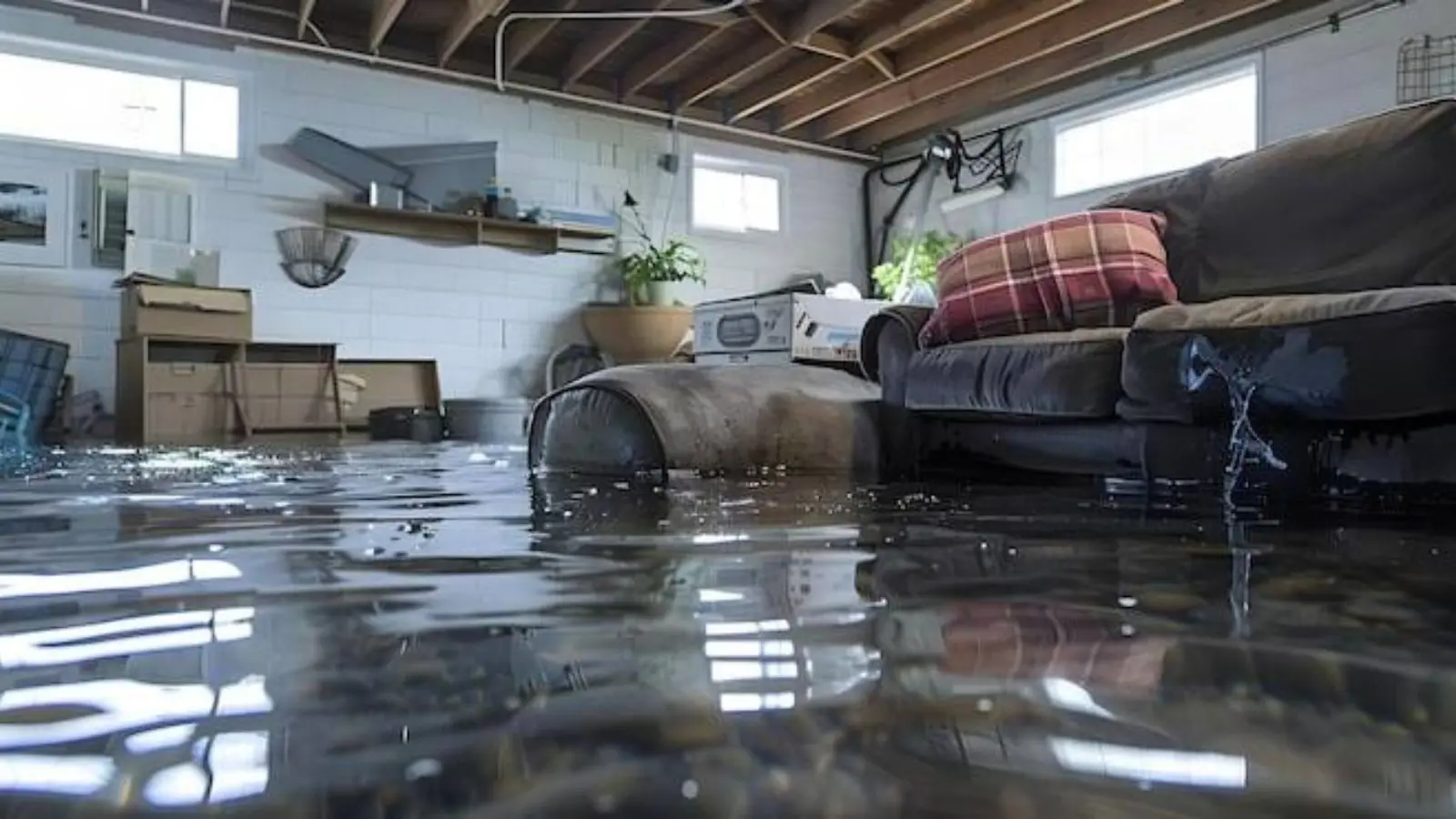
Water is coming in and you need it stopped and pulled out. Our dispatch line runs 24/7. While you wait, stop the source if you can, shut off the main water valve, and lift valuables off the floor. Cut power to wet areas only if you can reach the panel while standing on dry ground. Keep people and pets out of any water that may be contaminated.
Flood damage restoration is the removal of storm, river, groundwater or sewage water from a building, followed by measured drying, cleaning and disinfection of everything that stays. It differs from a quick mop-up because floodwater is usually Category 2 or Category 3 under the ANSI/IICRC S500 standard, which changes what can be saved. Call (626) 879-0276 and we will talk through your situation first.
Raw Sewage Coming Up a Floor Drain? Stay Out First
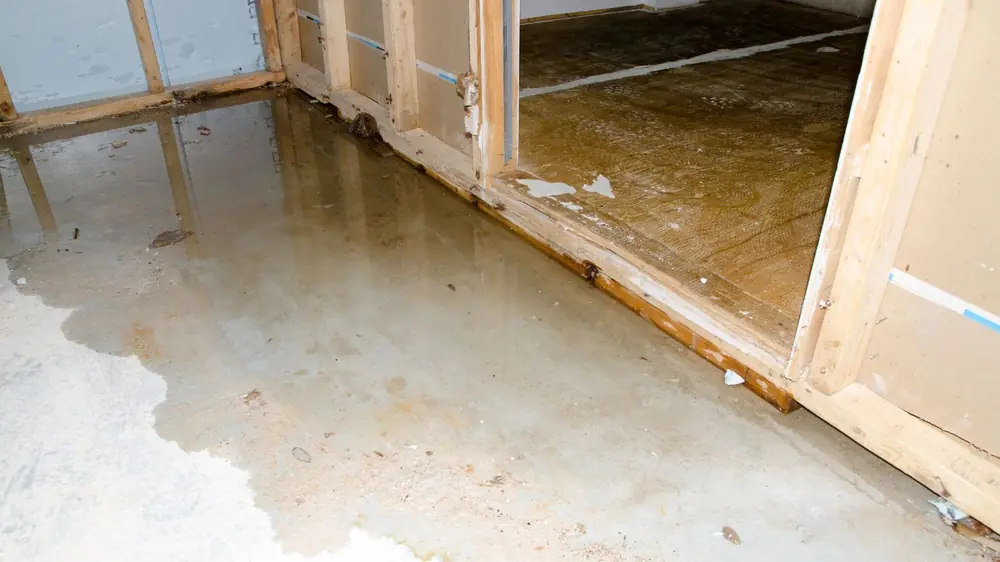
If sewage is rising through a floor drain, toilet or basement shower, treat the whole wet area as contaminated. Do not wade in to check it, and do not run washers, sinks or flush toilets, because that sends more water into the same blocked line. If water has reached outlets, appliances or the panel, or you smell gas, leave and call 911 or the utility before you call us. Cut the power only if the panel is reachable dry.
Sewage backup cleanup is Category 3 work. Crews wear gloves, boots, eye protection and respirators, and they set up containment so the mess does not travel into clean rooms. Extraction units pull out the liquid first, then everything the water touched is sorted.
- Removed and not kept: carpet, pad, wet insulation, and drywall or baseboard that wicked the water up.
- Cleaned and disinfected: concrete, tile, framing and other hard surfaces, after the gross soil is scraped and flushed away.
- Moisture checked: meters and thermal imaging cameras confirm what is still wet before anything is closed up.
Porous materials soaked in sewage are discarded rather than cleaned, because they cannot be reliably disinfected. Antimicrobial is applied only to surfaces that are cleaned first. Fixing the blocked main or broken line is a plumber's job, and we can coordinate around that work.
When Flooding Is an Emergency
Treat it as an emergency when water is still entering, when it covers more than one room, when it reaches outlets or a panel, or when it came from a drain, a creek overflow or the street. Delay is what turns a wet-vac job into a tear-out job. Drywall, insulation and subfloors begin to take on water within hours, and the EPA notes that drying wet materials within 24 to 48 hours usually prevents mold growth.
Same-day and after-hours calls are what dispatch is built for. We never promise an arrival time over the phone, but we will tell you what to do in the meantime and what to photograph for your records. Our approach to the drying stage is covered on the water mitigation page.
Water in the house right now? Our dispatch line is open 24/7.
☎ Call (626) 879-0276Category 1, 2 and 3 Water: What Each Means
ANSI/IICRC S500 sorts water by contamination, and the category decides how much material can stay. Water also moves up a category the longer it sits, so a clean supply-line leak can become Category 2 after a day or two.
| Category | Typical source | What usually happens |
|---|---|---|
| Category 1 (clean source) | Broken supply line, tub overflow with clean water | Extraction and drying. Most materials can be dried in place. |
| Category 2 (significant contamination) | Washer or dishwasher discharge, toilet overflow without solids, sump failure | Extraction, cleaning and antimicrobial. Carpet pad is removed, hard surfaces are cleaned. |
| Category 3 (grossly contaminated) | Sewage, river or storm floodwater, groundwater rising through a floor | Containment, PPE, removal of porous materials, cleaning and disinfection, then drying. |
Storm and groundwater flooding is treated as Category 3 from the start, because it carries soil and whatever the water crossed on the way in.
Basement Flooding Cleanup
Basement water is pumped out first with submersible pumps, then finished with portable extraction units. Depth matters. Deep water against a foundation wall can push on that wall, so on a deep flood we typically lower the level in stages rather than all at once. Contents on the floor are moved or removed before the last inches go.
Drying below grade is slower than drying upstairs. Concrete holds moisture, and a basement has little airflow. Air movers, LGR dehumidifiers and moisture readings on walls and slab guide how long equipment stays, and wet drywall, insulation and carpet are cut out where drying in place will not work.
Restoration is not waterproofing. We remove water and dry the structure, but we do not seal foundations, regrade yards, fix gutters or install drains and sump systems. Those are separate trades, usually a waterproofing or drainage contractor, and you should have the cause looked at once the space is dry. For the follow-up rebuild, see water damage repair.
Crawl Space Water and Whole-House Flooding
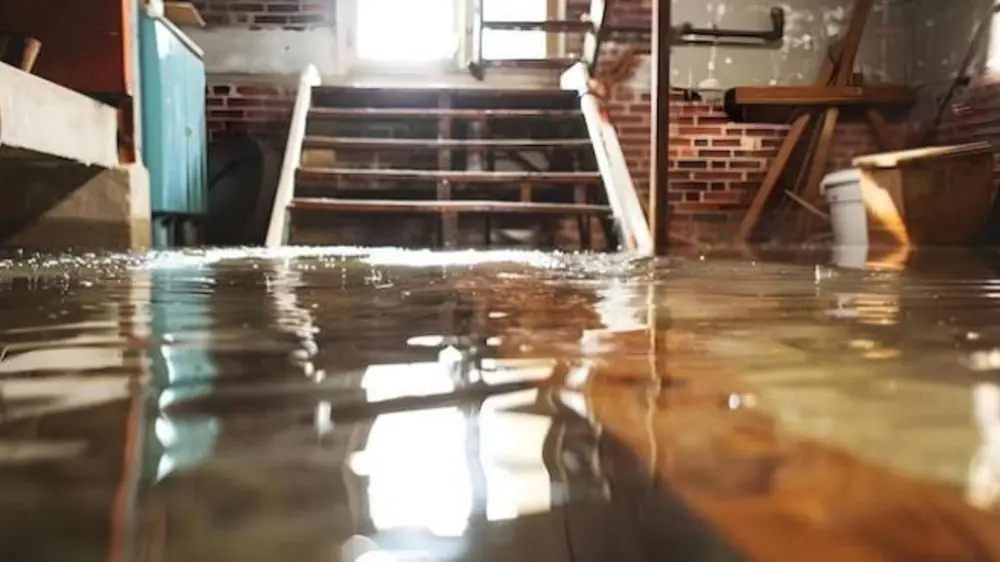
Crawl space water is easy to miss and hard to reach. Standing water under the floor wets joists, subfloor and insulation, and the damp air can lift flooring above. Crews pump it out, remove wet insulation, and dry the cavity with air movers and dehumidifiers, with moisture readings on the framing as the finish line.
When water has spread through most of a house, the job is organized by room. Extraction runs first on the lowest, wettest floors, then flooring, baseboards and lower drywall are assessed. Large jobs use truck-mounted extraction outdoors with hoses running inside, plus many air movers. The drying plan is mapped on moisture readings, not guesses, and it is adjusted over several days.
Why Storm and Groundwater Flooding Needs a Local Check
Temple City sits at the base of the San Gabriel Mountains at an elevation of about 400 feet. That setting is why runoff and drainage near your street are worth a look. We do not cite flood zones or past events here, because we cannot verify them for your address. Check the FEMA Flood Map Service Center at msc.fema.gov for your address, and ask LA County Public Works or your city about drainage near you.
Signs the Flood Damage Is Bigger Than It Looks
Some damage shows up after the water is gone. Walk the area once it is safe and watch for these.
- Baseboards pulling away from the wall, or drywall that feels soft or crumbles near the floor.
- Cupped, buckled or lifting flooring, and carpet that stays damp after the surface dries.
- A musty smell, stains creeping up a wall, or paint that bubbles.
- Outlets and switches near the waterline, which should be checked before they are used.
- Water marks on the garage or basement walls well above the floor.
How We Assess and Dry a Flooded Home
The first visit maps the damage. We sort the water category, take moisture readings in walls, floors and framing, and use a thermal imaging camera to find wet areas behind surfaces. The scope and price are explained to you before work starts, and the written scope doubles as documentation if you file a claim.
Then the work follows a sequence: extraction, removal of materials that cannot be saved, cleaning and antimicrobial where needed, and structured drying with air movers and LGR dehumidifiers. Daily moisture checks decide when equipment comes off. The standard behind this sequence is ANSI/IICRC S500, and you can ask any company whether its crews follow it. Small spills and clean leaks are handled differently, as described under water damage cleanup.
What Changes the Price of Flood Cleanup
Flood jobs vary more than almost any other water job, so a single number over the phone would be a guess. These are the factors that move it.
| Factor | What it changes |
|---|---|
| Water category | Category 3 adds containment, PPE, disposal and disinfection. |
| Depth and volume | Deep water needs more pumping time and staged removal. |
| Area and materials | More wet square footage and more porous material means more tear-out and drying. |
| Drying equipment and days | Air movers and dehumidifiers run until moisture readings reach target. |
| Access and timing | Below-grade rooms, crawl spaces and after-hours starts change labor and setup. |
Insurance in general terms: sudden and accidental water damage is often covered, gradual leaks and neglect often are not, and standard homeowners policies typically exclude flood. According to the California Department of Insurance, standard homeowners insurance does not cover flood damage. Flood coverage comes through the National Flood Insurance Program, which generally takes effect 30 days after purchase. Check your policy and ask your insurer, and we promise no coverage outcome.
Want your real number? Call (626) 879-0276.
Hiring a Flood Contractor in California
Work worth $1,000 or more in labor or materials needs a contractor licensed by the Contractors State License Board, and you can verify any license at cslb.ca.gov. A written contract should state the total price, payment schedule, scope, timeline and license number. Do not pay more than $1,000 or 10% of the contract price as a down payment, whichever is less. We are licensed and insured, and the same checklist applies to any company you call.
Flood and Sewage Calls From Temple City Homes
We dispatch from 9123 Las Tunas Dr, the main commercial corridor. Not every Temple City address is on Golden State Water, so check your bill for your supplier before you call a utility about a broken main. That one check saves a wasted call at midnight. For repair permits after flood damage, rules vary by job, so ask the city Building & Safety division.
Frequently asked questions
Yes. Dispatch is 24/7, including nights, weekends and holidays. Call (626) 879-0276 and we will give you steps to take while a crew is arranged, though we do not promise an arrival time.
Both are usually Category 3 under ANSI/IICRC S500, so the safety steps are similar. Sewage jobs add strict containment, PPE and removal of all porous materials the sewage reached. The plugged or broken line itself is a plumber's repair.
Standard homeowners policies typically exclude flood, according to the California Department of Insurance. Sudden and accidental water from a burst pipe is treated differently. Read your policy, ask your insurer, and keep photos and moisture readings to support any claim.
Search your address on the FEMA Flood Map Service Center at msc.fema.gov. You can also ask LA County Public Works or your city about drainage near you. We cannot tell you your zone from the phone.
No. Restoration removes water and dries the structure. Sealing foundations, grading and drainage or sump installs belong to a waterproofing or drainage contractor, and it is smart to book one once the space is dry.
Porous items touched by Category 3 water, such as carpet, pad, upholstered furniture and wet insulation, are generally discarded. Hard surfaces can usually be cleaned and disinfected. We tell you what is saved and what is removed before work starts.
Questions about your home? Talk to the 24/7 dispatch line.
☎ Call (626) 879-0276