
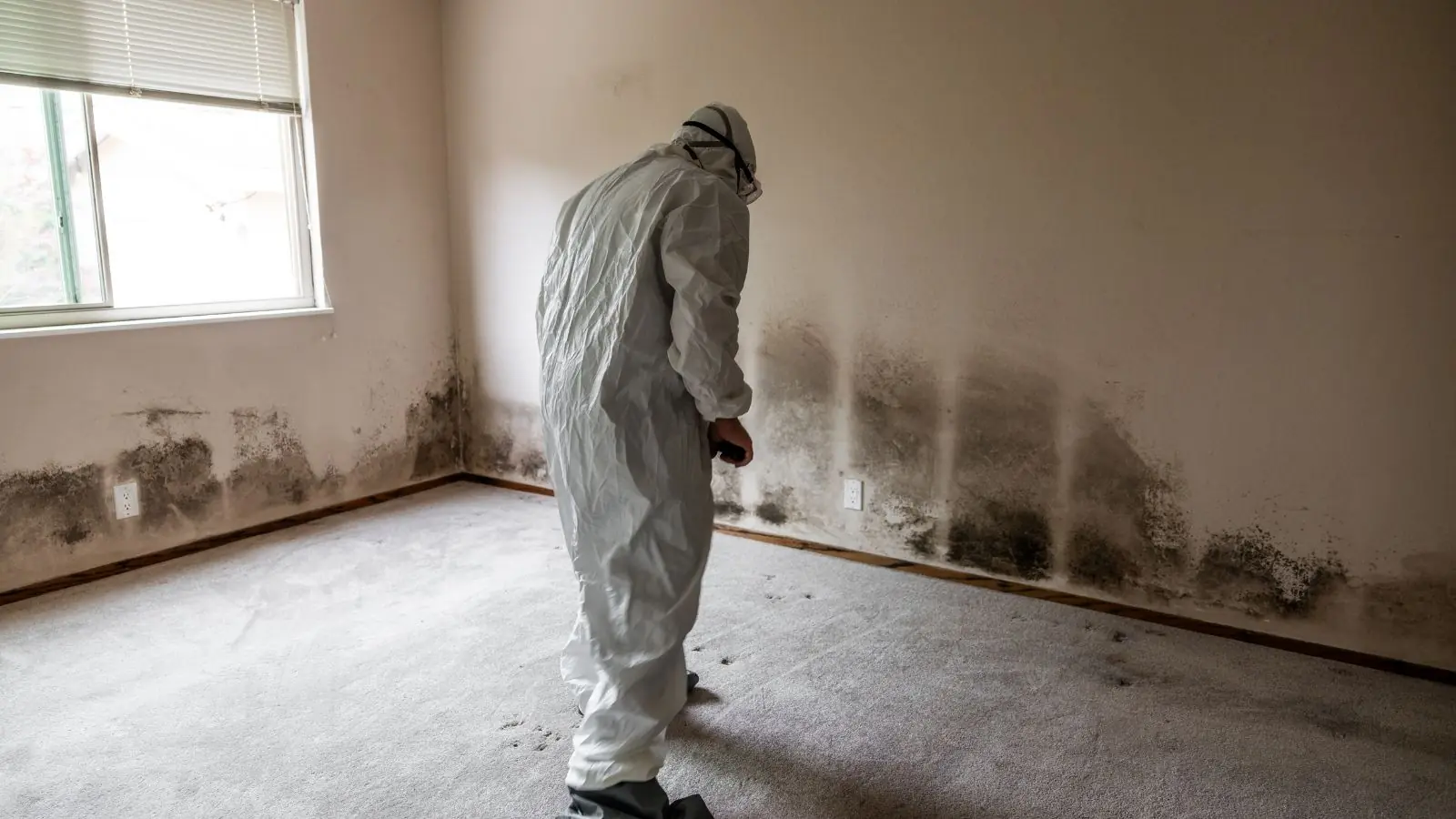
Mold remediation is the planned removal and cleanup of mold growth, along with the work needed to find and stop the moisture feeding it. Mold needs moisture to grow, so the leak comes first and the cleanup second. Our crews are licensed and insured. ANSI/IICRC S520 is the published standard for mold remediation, and you should ask any company, us included, whether its crews work to it.
This is scheduled work, not a midnight emergency. If water is still entering the home, start with emergency water removal and call (626) 879-0276 to talk through next steps.
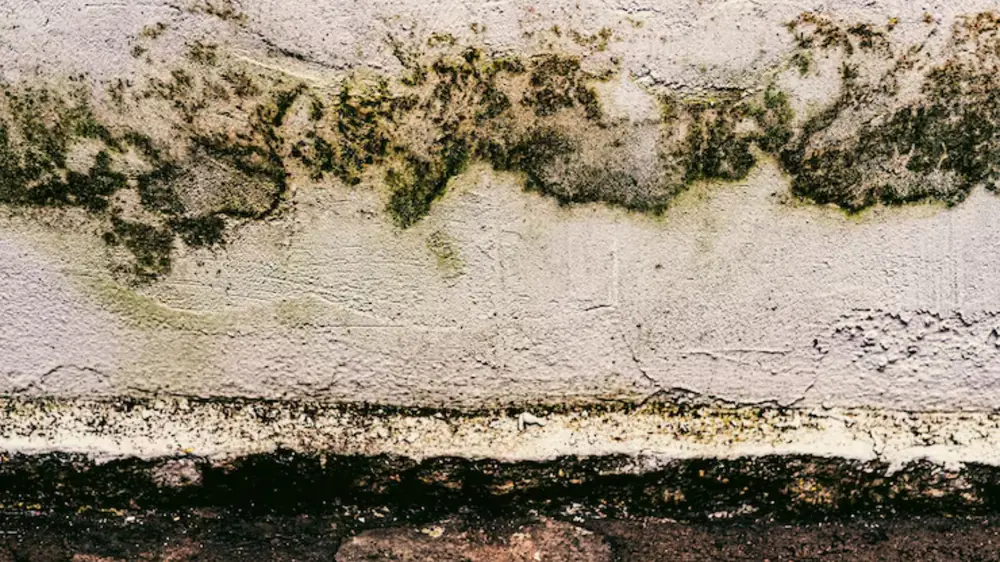
Musty Smell or Dark Spots on a Bathroom Ceiling or Closet Wall After a Leak?
A musty smell, dark or fuzzy spots, or a stained patch near a bathroom ceiling, under a sink or on a closet wall often means a hidden leak has kept material damp. Wiping the spot hides it for a while but leaves the moisture behind. The trade that finds the source, contains the area and removes affected material is mold remediation, and that is the work this page covers.
Mold Removal and Black Mold Cleanup
Removal starts by separating what can be cleaned from what must go. Non-porous materials such as tile, glass, metal and sealed framing can be cleaned. Porous materials such as drywall, insulation, carpet and ceiling tile with growth through them are cut out, bagged and removed, because the growth can sit below the surface where cleaning cannot reach.
Cleaning uses HEPA vacuuming and damp wiping of hard surfaces, and wood framing may be sanded or wire-brushed. People often ask about black mold. Color alone does not identify a mold, we do not diagnose, and any health question belongs to a physician. What we can say is how widespread the growth is, which materials it is in and what must be removed.
Fixing the moisture source matters more than any product. Without it, new growth can start on the same spot, so we do not promise the problem is gone for good.
Water in the house right now? Our dispatch line is open 24/7.
☎ Call (626) 879-0276Mold After Water Damage
EPA guidance says drying wet or damp materials within 24 to 48 hours of a leak or spill usually prevents mold growth. Past that window, growth becomes more likely, especially in drywall, carpet pad and wood that stays wet inside a wall. That is why fast water mitigation is the best defense, and why mold calls often follow a slow leak or a drying job that stopped too soon.
If a flood or sewage event caused the water, the first step is the cleanup described on the flood damage restoration page. When materials are already showing growth, the plan combines drying with removal. Moisture meters and a thermal imaging camera show where wet material is hiding behind finished surfaces, so the scope covers the whole wet zone and not just the visible patch.
Mold Testing, Inspection and Clearance Testing
An inspection looks at three things: where the moisture is coming from, how far the growth extends, and which materials are affected. The inspector uses a moisture meter, a thermal imaging camera and a visual check, and may look inside accessible cavities. The moisture source comes first, because a test result without a fixed leak only describes the day it was taken.
Sampling is a tool, not a verdict. Air or surface samples sent to a lab can show what is present and at what level compared with outdoor air, but we do not interpret results as a health finding. The lab report is a document for you and any professional you hire.
Clearance testing comes after remediation, and it should be done by an independent party, not the crew that did the work, so nobody grades their own job. Some buyers, lenders and agents ask for written clearance when a home is being sold or financed. We cannot say whether a given lender will accept a report, so ask them what they require. Scope and price are explained before work starts.
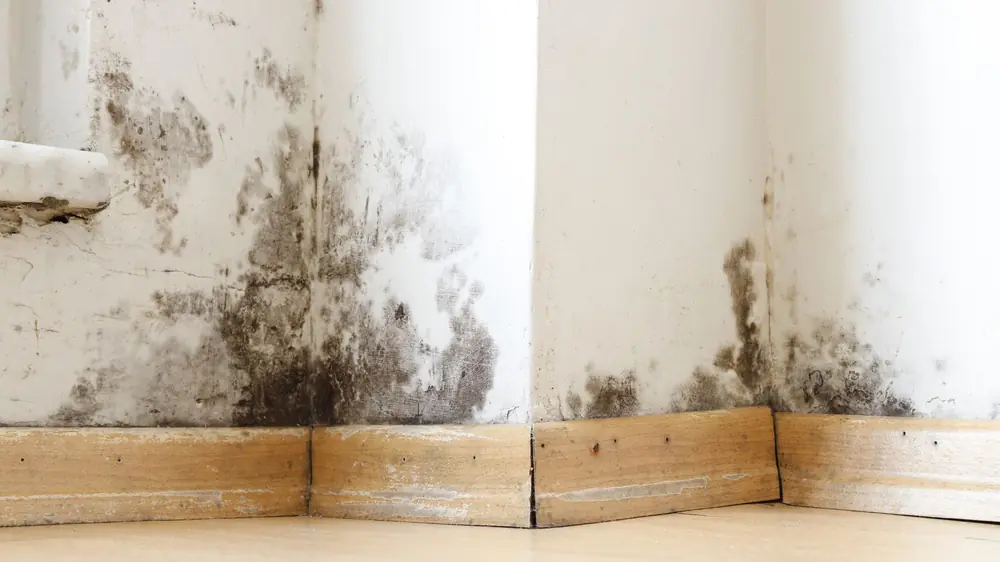
Signs That Point to Hidden Moisture
Growth is not always visible. These signs suggest a wet area worth checking before anything is painted over.
- A musty odor that gets stronger when a room is closed up.
- Ceiling stains with rings, or paint and wallpaper that bubble or peel.
- Baseboards, cabinet bases or drywall that feel soft.
- Spots that return after cleaning in the same corner or on the same wall.
- Condensation on windows or walls that does not clear.
How a Remediation Job Runs, Step by Step
First comes the visit. We look at the moisture source, take meter readings and map the affected area, then explain the scope and price in plain terms. After you agree, the leak must be stopped by you or a plumber or roofer, since that is not our trade.
Next, containment goes up, negative air starts, affected porous material is removed and bagged, and remaining surfaces are HEPA vacuumed and cleaned. Air movers and dehumidifiers then dry the area until readings are back to normal. Last is the walk-through, and independent clearance testing if you want it. Rebuilding finishes is a separate step.
Containment, Negative Air and HEPA Filtration
The goal of containment is to keep spores from moving into clean rooms while the work is done. Crews hang poly sheeting and zipper doors, tape off vents, and set a negative air machine with a HEPA filter so air flows into the work area and out through the filter. A small decontamination area at the entry keeps dust from riding out on clothing.
Workers wear respirators, gloves, eye protection and coveralls. After removal, surfaces are HEPA vacuumed, wiped and checked visually and with moisture readings before the barriers come down. The ANSI/IICRC S520 standard describes how this sequence works, and you can ask any company whether its crews follow it and what its containment plan will be for your home.
Where Mold Comes From in Temple City Homes
Callers most often point to a handful of leak sources. Each one tends to leave a recognizable pattern.
- Toilet leaks: a failing wax ring or supply line wets the subfloor and the ceiling below.
- Sink and tub leaks: slow drips inside the cabinet or wall that go unnoticed for weeks.
- AC condensate lines: a clogged drain pan or line overflows into the ceiling, attic or closet.
- Roof leaks: staining on a ceiling or in an attic after rain, often away from the actual hole.
- Siding and window leaks: water tracks behind the wall and shows up lower down.
Because Temple City sits at the base of the San Gabriel Mountains, storms are one reason roof and siding leaks come up. Check your roof and flashing after heavy rain, since catching a leak in the first 24 to 48 hours is what keeps it a drying job and not a mold job. Roof and plumbing repairs belong to those trades. We deal with the water and the growth.
Honest Limits: The 10 Square Foot Guidance and Licensing
EPA guidance says small areas of mold of about 10 square feet or less can generally be handled by the homeowner, and larger areas call for professional guidance. That is a real limit on when you need us. If the spot is small, dry and clearly from a one-time spill, cleaning it yourself may be enough.
For larger jobs, check the contractor. Work worth $1,000 or more in labor or materials needs a contractor licensed by the Contractors State License Board, and you can verify any license at cslb.ca.gov. Mold cleanup must follow EPA and Cal/OSHA rules for safe removal and disposal. We do not state more than that here, so ask any company how it meets them.
Options and Trade-Offs
There are three realistic paths. You can clean a small area yourself, hire a company for full remediation, or bring in an independent inspector first to define the scope. The inspector-first route adds a step but gives you an outside written scope to compare quotes against.
Remediation removes hazards. Restoration repairs and rebuilds, such as replacing drywall and paint. Both may be part of one project, and our water damage repair service covers the rebuild, so you can plan the sequence from the start.
What Changes the Price of Mold Remediation
Scope and price are explained before work starts, and these are the factors that set them.
| Factor | What it changes |
|---|---|
| Size of affected area | More material to remove and more surface to clean. |
| Materials involved | Porous materials are removed, while hard surfaces can be cleaned. |
| Containment needs | Larger or higher-risk areas need more barriers and air machines. |
| Access and location | Attics, crawl spaces and tight rooms add labor. |
| Testing and rebuild | Inspection, clearance testing and replacing finishes are separate scopes. |
Insurance in general terms: sudden and accidental water damage, and mold that results from it, may be covered, while gradual leaks and neglect often are not. Flood damage is usually excluded and needs separate flood coverage. Check your policy and ask your insurer. Photos, moisture readings and a written scope help any claim, and we promise no coverage outcome.
Want your real number? Call (626) 879-0276.
Safety checklist while you arrange remediation
These steps keep a small problem from spreading while you line up a professional assessment. None of them replaces testing or remediation, and any health question belongs with your physician.
- Find and stop the moisture source first, whether that is a leaking supply line, a clogged condensate drain or a roof leak.
- Keep the affected room closed and keep fans from blowing across the surface, which can push dust and debris into other rooms.
- Do not scrub, sand or brush dry mold, because that spreads debris. Photograph it instead.
- If you clean a small non-porous surface yourself, wear gloves and eye protection and never mix cleaning chemicals.
- Keep children and pets out of the room until it has been assessed.
- Write down when the leak happened and when you first noticed the stain or smell, which helps the assessment and your insurer.
Mold Calls From Temple City and Nearby
We serve homes from 9123 Las Tunas Dr, and neighboring areas such as Arcadia and San Gabriel are a short drive. Every address needs its own scope, so we explain it before any work begins. For repair permits after remediation, rules vary by job, so ask the city Building & Safety division. Doing that early keeps rebuild dates from slipping.
Frequently asked questions
A musty smell often points to moisture trapped in a wall, ceiling or under flooring. Look for stains, bubbling paint and recent leaks, then call us to inspect the moisture source. Do not cut into walls before the area is assessed.
We inspect for moisture and growth and define the scope. Clearance testing after remediation is best done by an independent party. Some buyers and lenders request it, and we cannot say whether any given lender will accept a report.
It depends on area, materials and containment needs. A small contained area may take a day or two, and larger jobs take longer including drying. The timeline is part of the scope explained before work starts.
EPA guidance says areas of about 10 square feet or less can generally be handled by the homeowner. On porous materials like drywall, growth often goes deeper than the surface. For anything larger or recurring, get professional guidance and fix the moisture source.
ANSI/IICRC S520 is the published standard for professional mold remediation. Ask any company whether its crews work to it and what its containment and clearance plan is.
Verify the license at cslb.ca.gov for work of $1,000 or more. Ask for a written contract with the price, scope, timeline and license number, and ask for proof of insurance. Down payments should not exceed $1,000 or 10% of the contract price, whichever is less.
Questions about your home? Talk to the 24/7 dispatch line.
☎ Call (626) 879-0276